RESEARCHER WORKBENCH
Researcher Workbench
Accelerating Inclusive Scientific Publishing Through Faster Onboarding
Overview
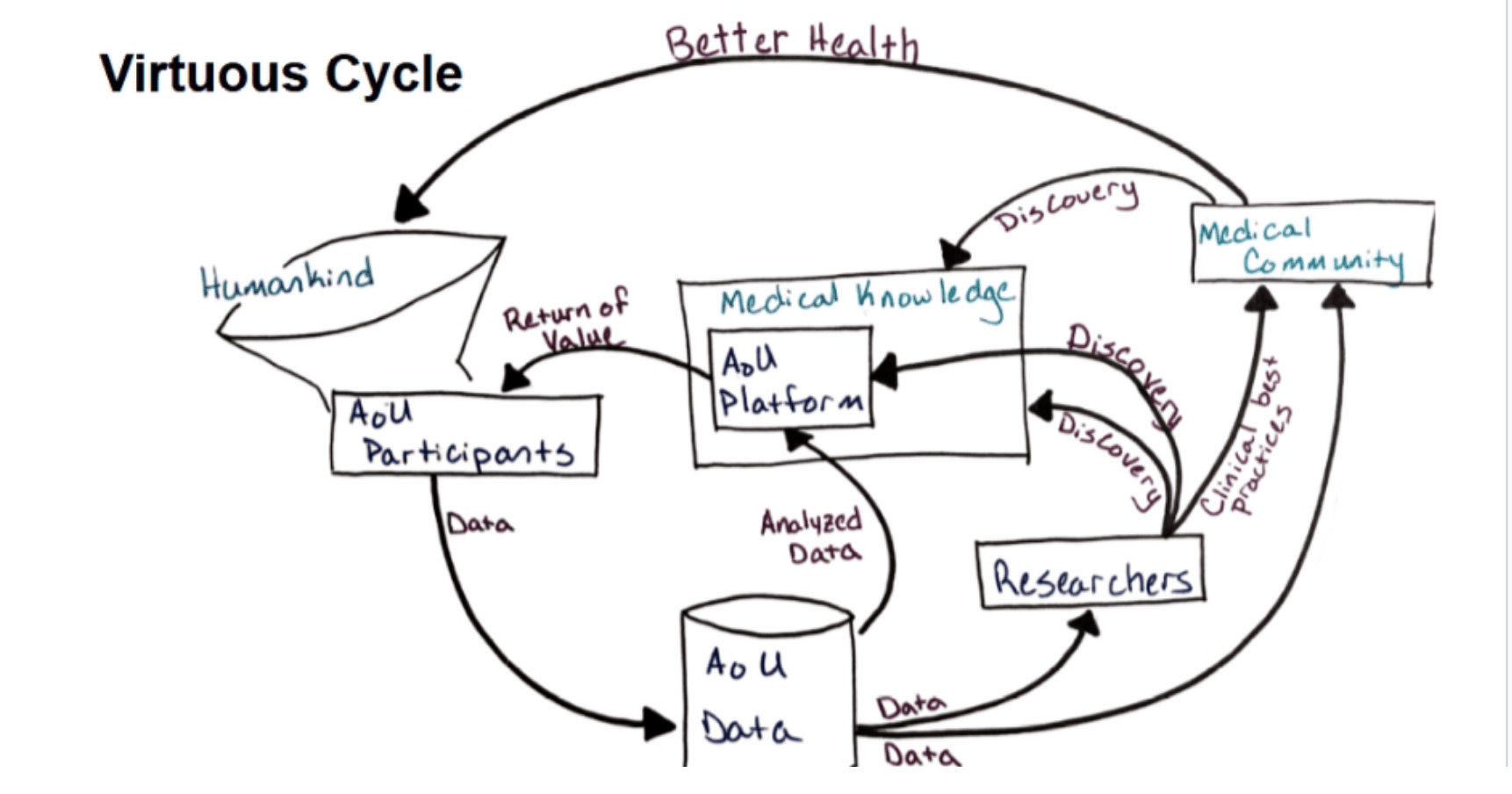
The program’s success is measured by one key outcome: the number of inclusive, peer‑reviewed publications produced from the dataset. Yet too many researchers—especially early‑career, community‑based, or unaffiliated researchers—were losing momentum before they ever reached analysis.
To address this, I led the creation of the Researcher Workbench, a unified platform that reduces onboarding time, removes technical barriers, and enables more researchers to publish faster.
The Problem
Researchers had access to a rich dataset, but the path from registration to analysis was slow and fragmented. Common issues included:
Long onboarding times
Complex, multi‑tool setups
Limited support for users without specialized technical training
Difficulty turning early analyses into publication‑ready outputs
This friction disproportionately affected the researchers the program most wanted to empower. Internal research revealed a simple but critical insight:
Providing essential analysis tools at no cost would dramatically reduce onboarding time and expand who could meaningfully participate.
The challenge was clear: make research participation easier, faster, and more equitable.
Client
National Institutes of Health
Service
All of Us Research Program
Industry
Technology
Year
2021

Approach
I partnered with engineering, UX, and research governance teams to understand the full journey from account creation to publication. We interviewed researchers, analyzed workflow bottlenecks, and mapped the common patterns behind stalled or abandoned studies.
Three themes emerged:
The workflow was fragmented — researchers moved across multiple systems to complete a single study.
The technical setup created unnecessary barriers — scripting, environment setup, and data configuration slowed progress.
Documentation and analysis weren’t connected — researchers lost context when switching between tools.
These findings guided the core design principles for the new platform.
The Solution
We built the Researcher Workbench, an end‑to‑end environment designed to remove friction and help researchers generate insights quickly. Key capabilities include:
A unified workspace that combines data access, analysis, and documentation
Pre‑configured tools for common workflows, eliminating the need for complex setup
Guided onboarding that shortens the time from registration to first analysis
Zero‑cost access to essential tools to support participation from researchers of all backgrounds
A consistent workflow model designed to match how real research happens, not how it’s assumed to happen
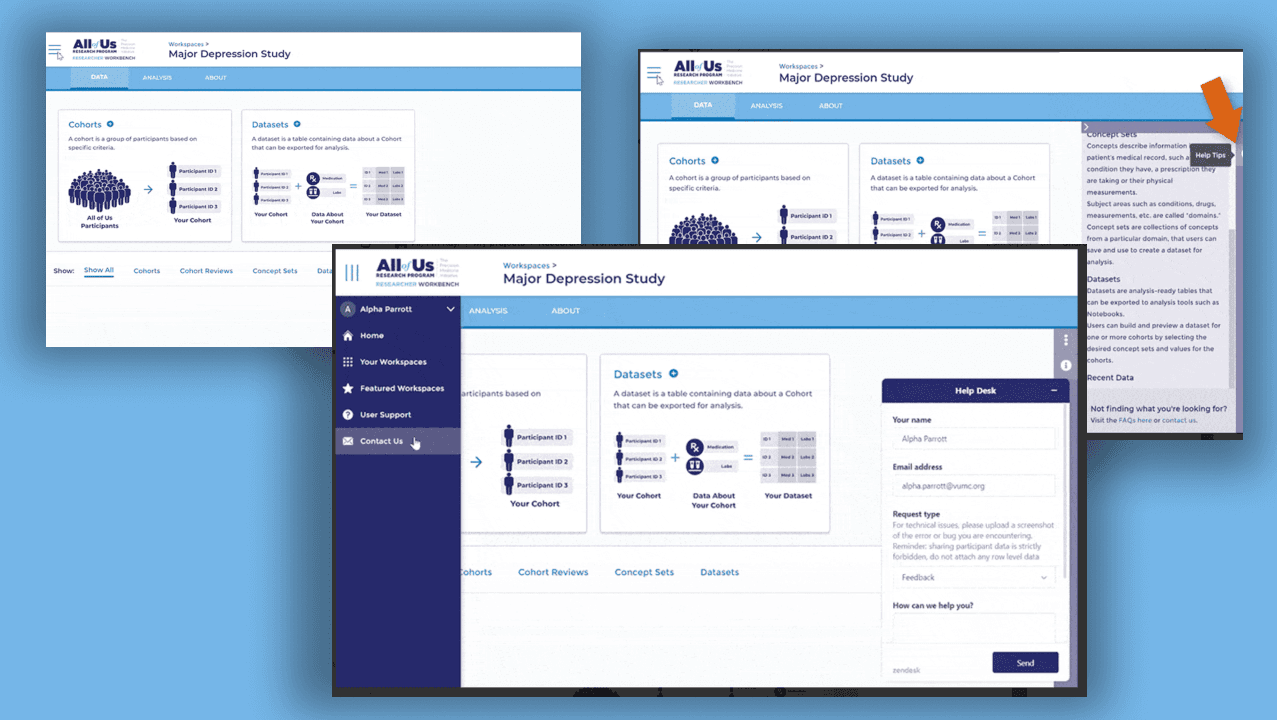
This allowed researchers to move from question → analysis → publication in a single environment.
Impact
The Researcher Workbench created a simpler, more accessible research experience that supports the program’s mission of inclusive scientific discovery.
Key outcomes include:
Reduced onboarding time through streamlined setup and guided workflows
Lower barriers to participation for early‑career and community‑based researchers
More consistent, decision‑ready outputs that are easier to share and publish
A clear, repeatable research pathway that scales across diverse user backgrounds
By making research more accessible, the workbench expands who can meaningfully contribute to scientific literature and accelerates the pace of peer‑reviewed publications.
What I Learned
Building tools for researchers requires balancing analytical power with intuitive design. The biggest lesson from this project:
Accessibility isn’t just a usability improvement — it’s a prerequisite for inclusive science.
Removing friction unlocks participation. Participation unlocks insight. And insight becomes publication.